
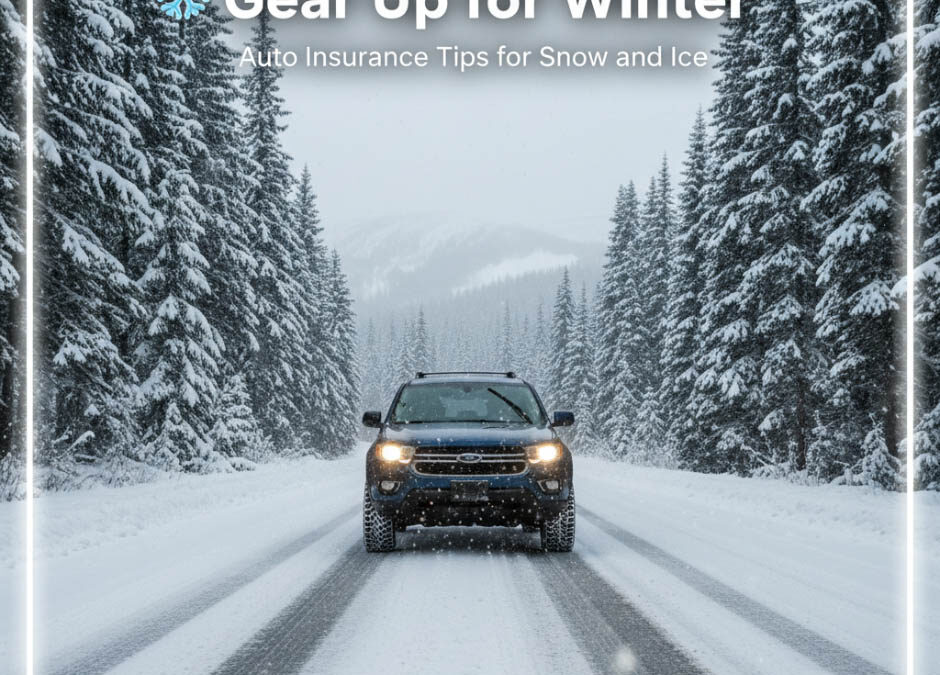
Winter brings a unique set of challenges for drivers, from icy roads to snowdrifts. While preparing your vehicle for the cold weather is crucial for safety, understanding how your auto insurance protects you during these treacherous months is equally important. Taking proactive steps now can save you from a headache and a financial hit when the temperatures drop.
🚗 Preparing Your Vehicle for Winter Roads
Before the first snowflake falls, dedicate some time to winterize your car to prevent breakdowns and make driving safer. Tires are your vehicle’s most vital connection to the road. You should inspect the tread depth to ensure you have enough grip for slippery surfaces. You can use the classic “penny test”—if you can see the top of Lincoln’s head when you insert a penny head-first into a tread groove, you should probably consider new tires. Also, remember that cold weather causes air pressure to drop, so check your tires regularly to improve handling and fuel efficiency.
Beyond the tires, focus on your vehicle’s essential fluids and systems. Battery health is critical; cold temperatures significantly reduce battery power, making it essential to have it tested, especially if it’s older than three years. In terms of fluids, check your antifreeze mixture to prevent your engine from freezing, and top off your windshield washer fluid with a winter-grade solution that resists freezing. Finally, ensure your brakes are in top condition and that all of your exterior lights are functional so you can clearly see and be seen on dark, snowy days.
🧰 Don’t Drive Without a Winter Emergency Kit
Even the best-prepared car can be unpredictable in a snowstorm. Having a well-stocked emergency kit in your trunk is crucial if you get stranded or need quick assistance. This kit should contain several essential items designed to keep you warm, safe, and visible.
Your must-have emergency list includes:
- Traction and Tools: Jumper cables, a small shovel, and a bag of sand, cat litter, or rock salt to help your tires gain traction if you get stuck.
- Warmth and Safety: Warm blankets, hats, and gloves to retain heat, a flashlight with extra batteries, and a basic first-aid kit.
- Communication: A fully charged cell phone and a portable charger are vital for calling for help.
- Sustenance: Non-perishable food and water, in case you are delayed for a significant amount of time.
🛡️ What Your Auto Insurance Covers in Winter
Understanding your policy is key to peace of mind during the challenging winter months. Your auto insurance is designed to protect you from common winter accidents and damage, but only if you have the right coverage.
- Collision Coverage is what pays for damage to your vehicle if you are involved in an accident with another car or an object. If you slide on black ice and hit a guardrail, a light pole, or end up in a ditch, your collision coverage helps pay for your car’s repairs, minus your deductible. Since loss of control is so common in winter, this is one of the most critical coverages to maintain.
- Comprehensive Coverage handles damage to your vehicle resulting from “non-collision” events. This is especially relevant in winter for events like hail or wind damage from a bad storm, or if a tree branch falls on your car due to heavy ice or snow. It also covers damage from theft, vandalism, and accidents with animals, which can still occur during the colder months.
- Liability Coverage is mandatory in almost every state and is there to protect you financially if you are at fault for an accident. If you slide on an icy overpass and cause an accident that injures another person (Bodily Injury) or damages another vehicle or someone’s property (Property Damage), your liability coverage will step in to cover those costs, up to your policy limits. Remember, this coverage never pays for damage to your own vehicle.
As the snow falls and the temperatures drop, the combination of a well-prepared vehicle, a stocked emergency kit, and the right auto insurance coverage is your best defense against winter’s driving hazards. Take a moment to check your tires, test your battery, pack those blankets, and, most importantly, review your policy’s Collision and Comprehensive coverage with us. Don’t let a slick road result in a financial headache. Being proactive now prepares you for the challenges of snow and ice with confidence and security, knowing you’re protected on all fronts.